

Interior Design
Modern Villa Interior Design Dubai: Redefining Luxury Living with Skyz Hills
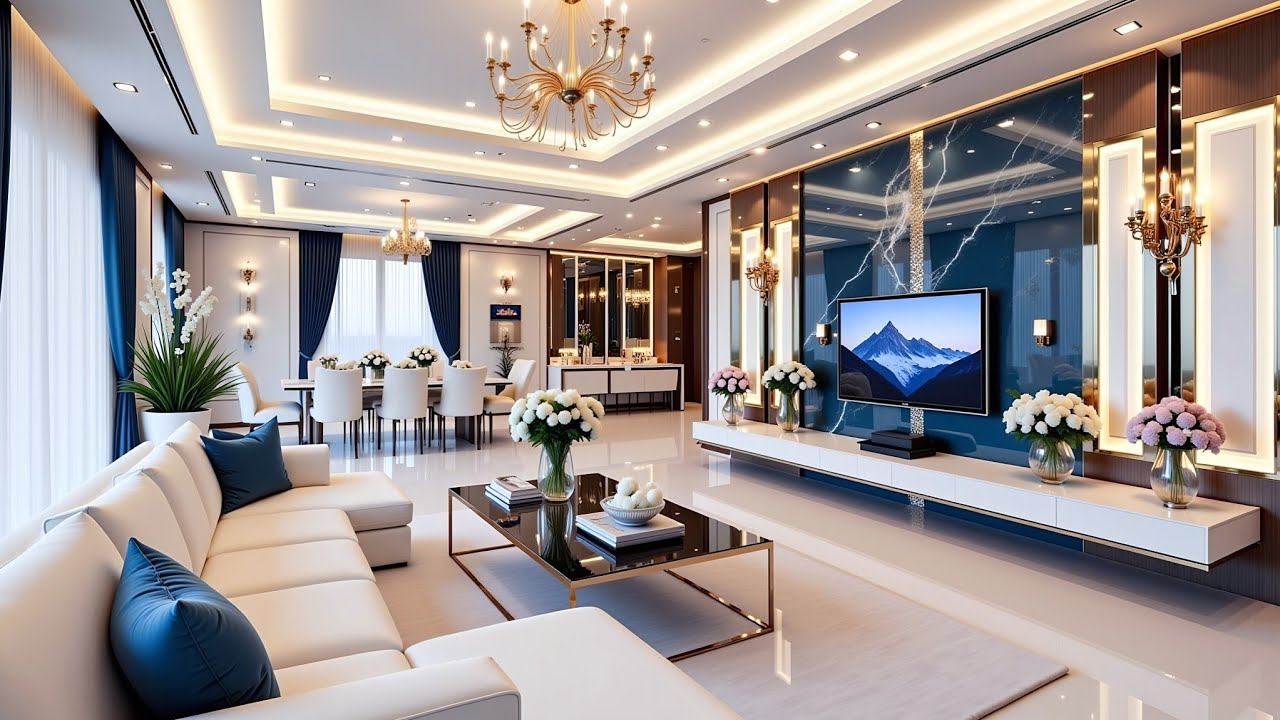
Dubai’s architectural landscape continues to evolve, with modern villa interior design leading the way in creating sophisticated living environments that reflect the city’s dynamic spirit and cosmopolitan lifestyle. As one of the world’s most influential design destinations, Dubai demands interior solutions that push creative boundaries while upholding the highest standards of luxury, comfort, and functionality. Skyz Hills has established itself as a leading authority in this field, delivering exceptional modern villa interior design projects that set new benchmarks for contemporary luxury living.
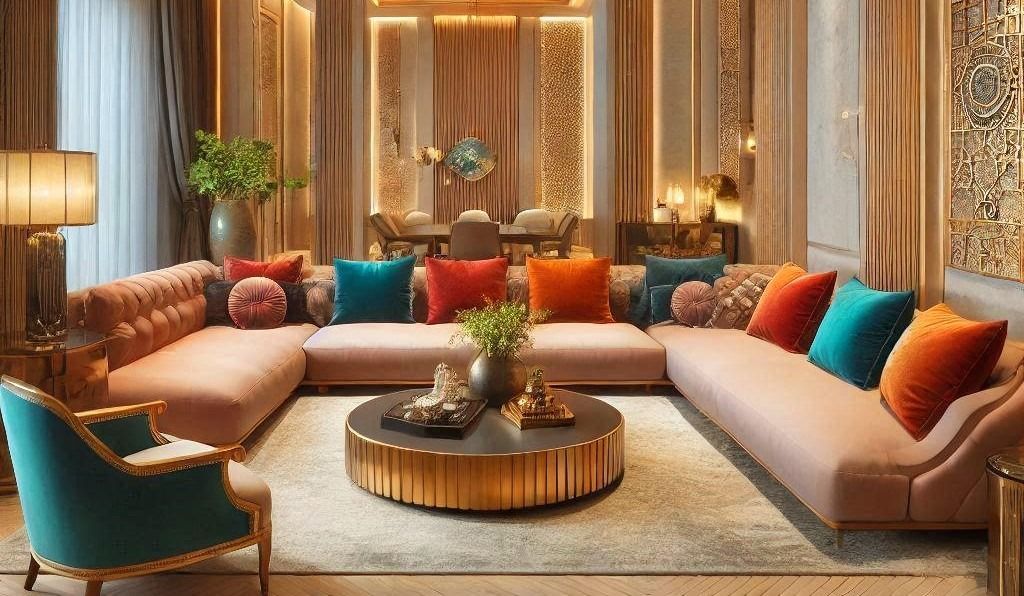
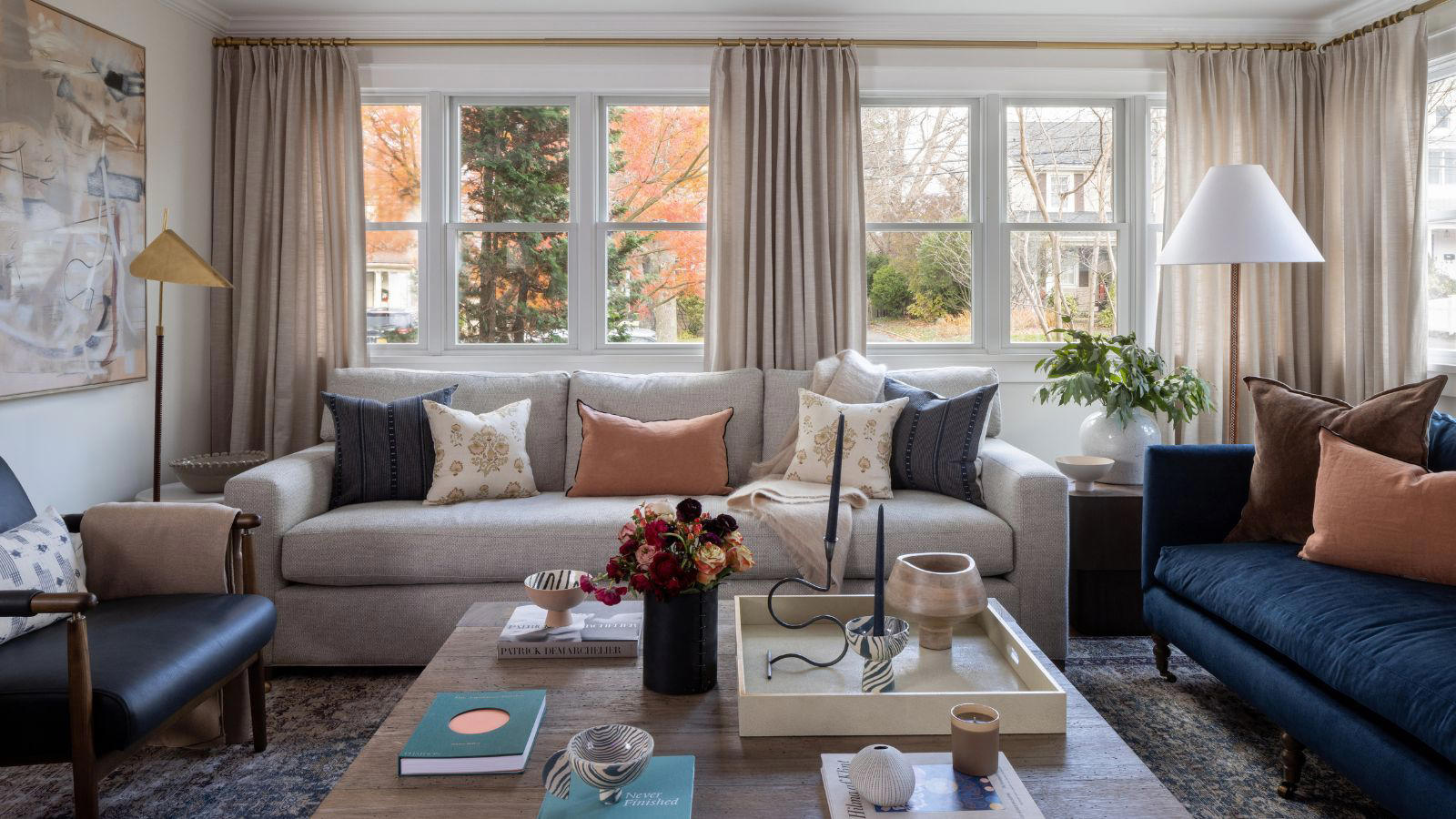
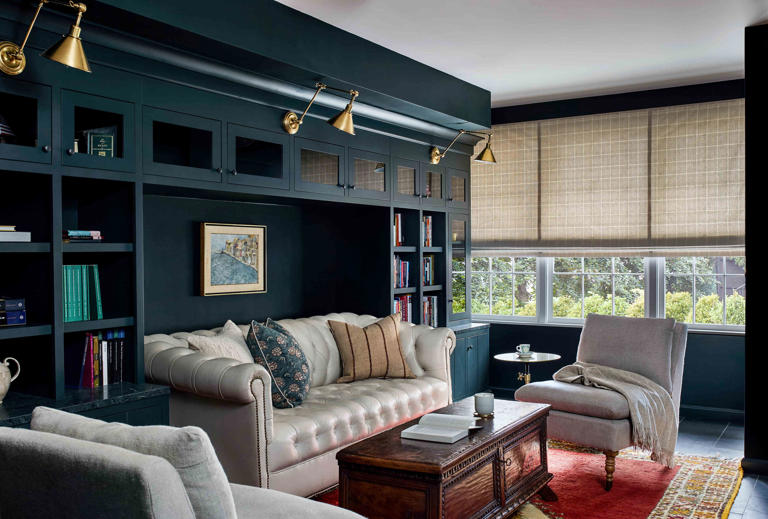
The Evolution of Interior Design Dubai
The Interior Design Dubai market has witnessed a remarkable transformation over the past decade, evolving from overt displays of luxury to more sophisticated expressions of refined taste, functionality, and cultural awareness. Modern villa interior design in Dubai now emphasizes clean architectural lines, innovative materials, and seamless technology integration, while still respecting the region’s cultural heritage and climatic considerations.
Contemporary Interior Design Dubai approaches recognize that luxury is no longer defined solely by premium materials or elaborate décor. Instead, true luxury lies in the thoughtful balance between form and function, superior craftsmanship, and the creation of environments that genuinely enhance everyday living. This philosophical shift has influenced every aspect of modern villa design—from intelligent space planning and material selection to layered lighting concepts and smart home integration.
Dubai’s international character further demands interior design solutions that resonate with diverse cultural backgrounds while maintaining a distinct sense of elegance and sophistication. Skyz Hills’ Interior Design Dubai projects successfully navigate this complexity, creating refined living spaces that feel globally inspired yet locally relevant, delivering timeless interiors tailored to modern luxury lifestyles.
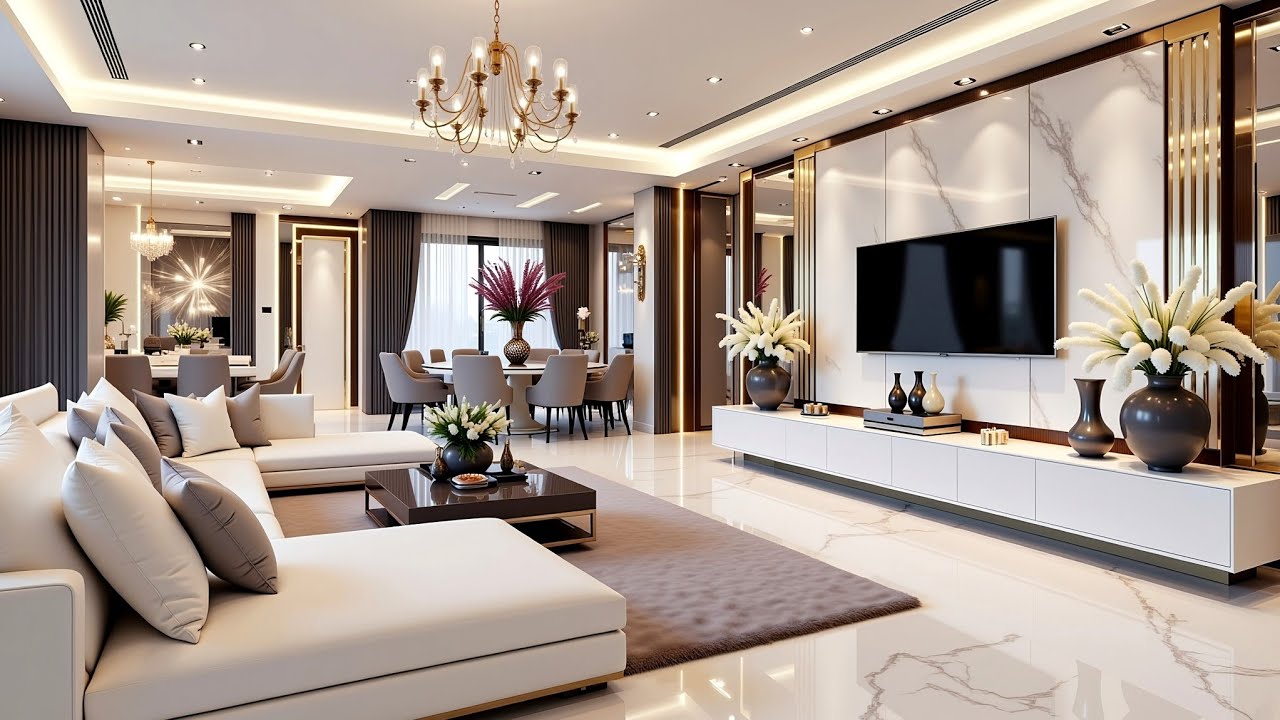
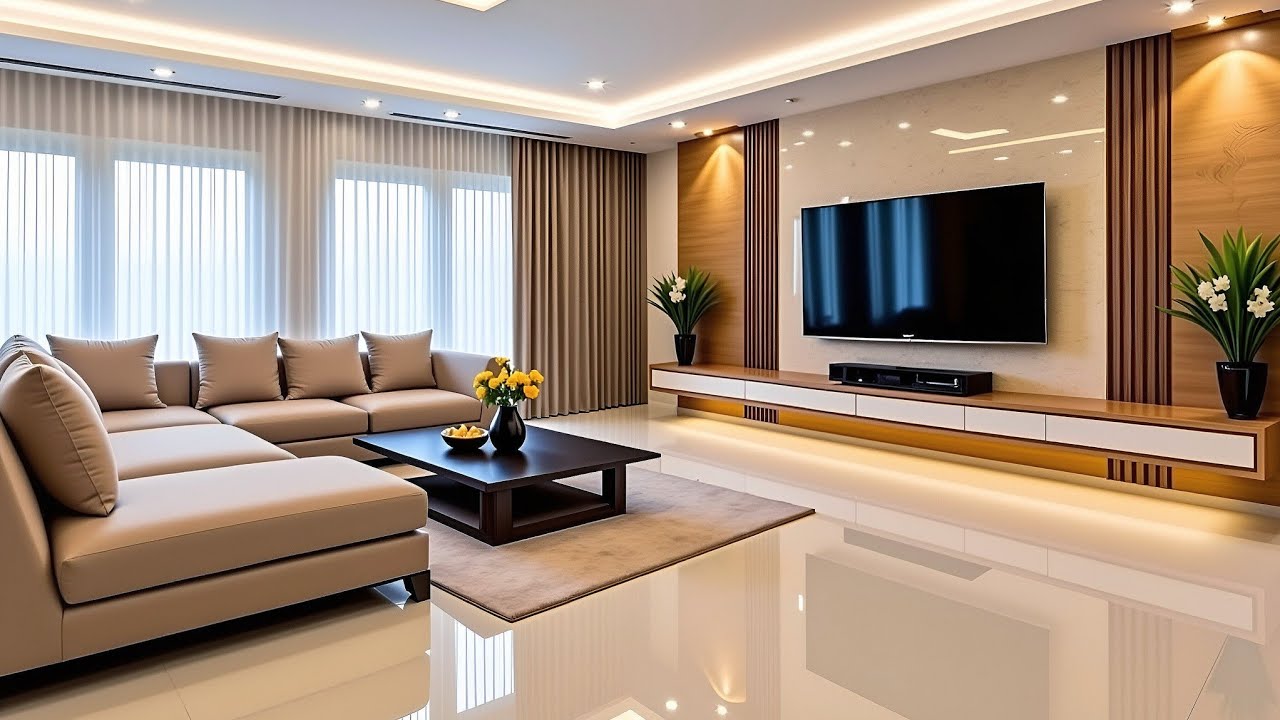
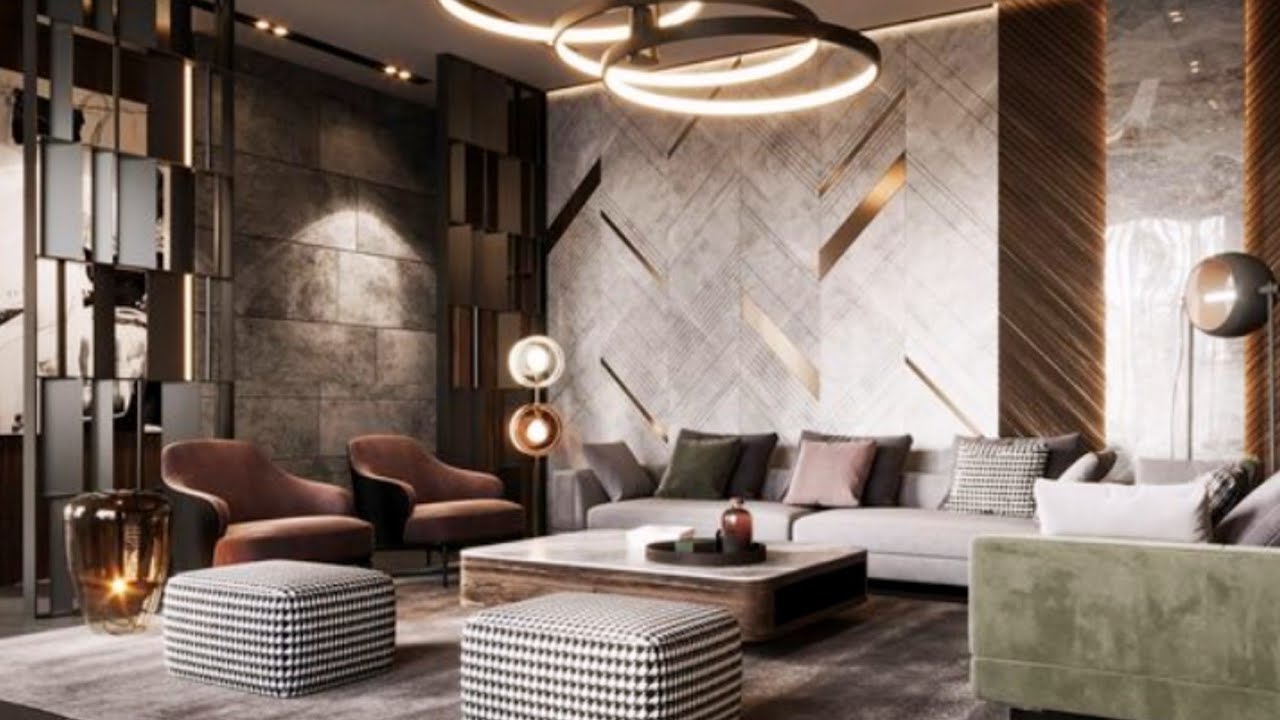
Contemporary Design Philosophy and Approach
Modern villa interior design philosophy centers on creating refined living environments that support contemporary lifestyle needs while delivering timeless aesthetic appeal. This approach demands a delicate balance between innovation and restraint, luxury and comfort, as well as visual drama and everyday tranquility. Skyz Hills’ design philosophy is rooted in a deep understanding of each client’s lifestyle, cultural values, and personal preferences, ensuring that every villa interior is both functional and emotionally resonant.
Each Dubai villa interior design project by Skyz Hills begins with a comprehensive lifestyle assessment that shapes every design decision—from architectural planning and spatial flow to material selection and curated decorative elements. This client-centric approach allows interiors to feel purposeful, cohesive, and uniquely tailored rather than generic or trend-driven.
The contemporary Interior Design Dubai approach also integrates sustainability and energy-efficient solutions without compromising on luxury. This includes the use of eco-conscious materials, advanced lighting systems, and smart home technologies that enhance comfort while optimizing energy consumption. These practices reflect Dubai’s growing emphasis on sustainability and responsible design, positioning Skyz Hills as a forward-thinking interior design company committed to creating elegant, efficient, and future-ready living spaces.
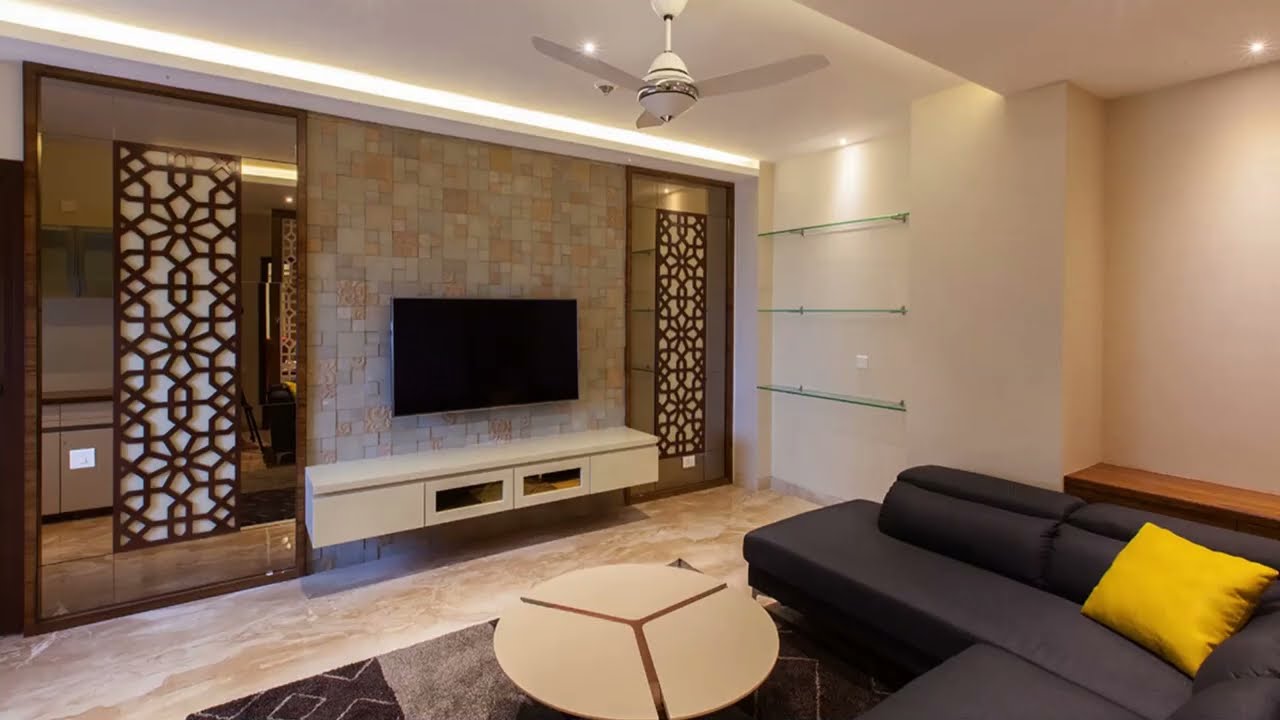
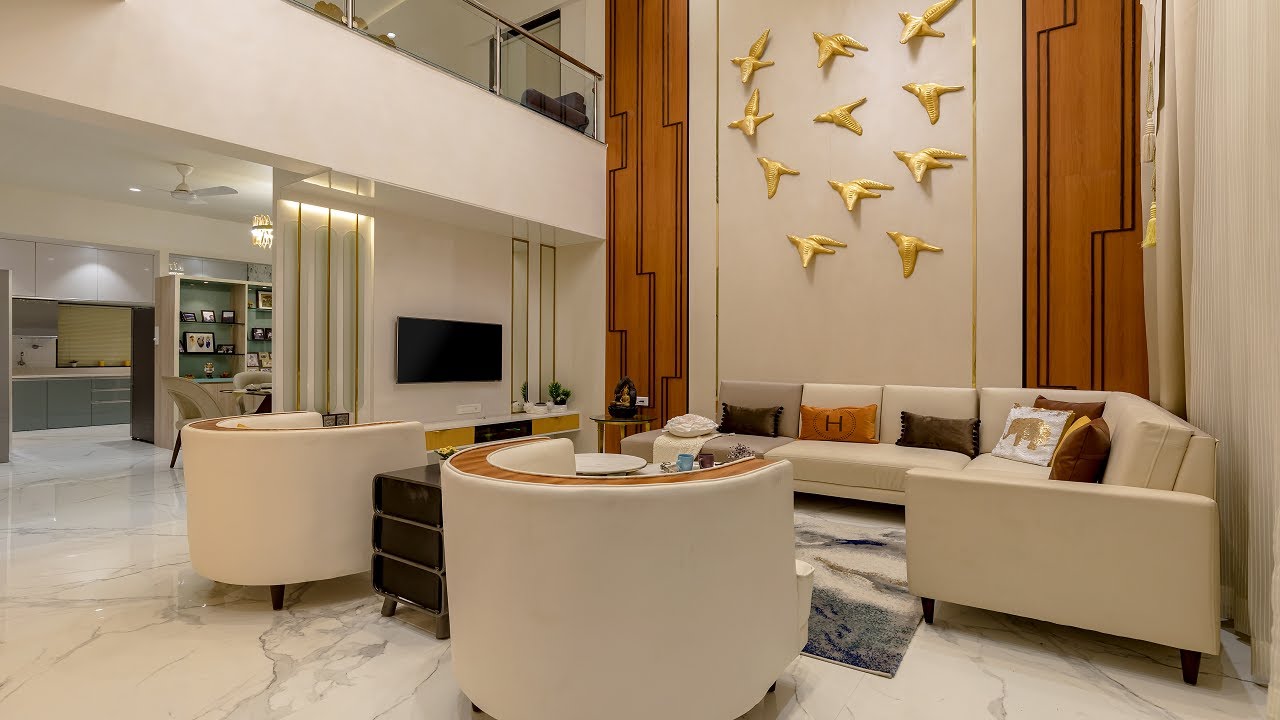
Future Trends and Innovation
The future of modern villa interior design in Dubai is being shaped by innovation, sustainability, and evolving lifestyle expectations. As homeowners seek more intelligent, adaptable, and personalized living spaces, design is moving beyond aesthetics to embrace technology-driven comfort and experiential luxury. Skyz Hills stays at the forefront of these developments by continuously integrating global design trends with Dubai’s architectural vision.
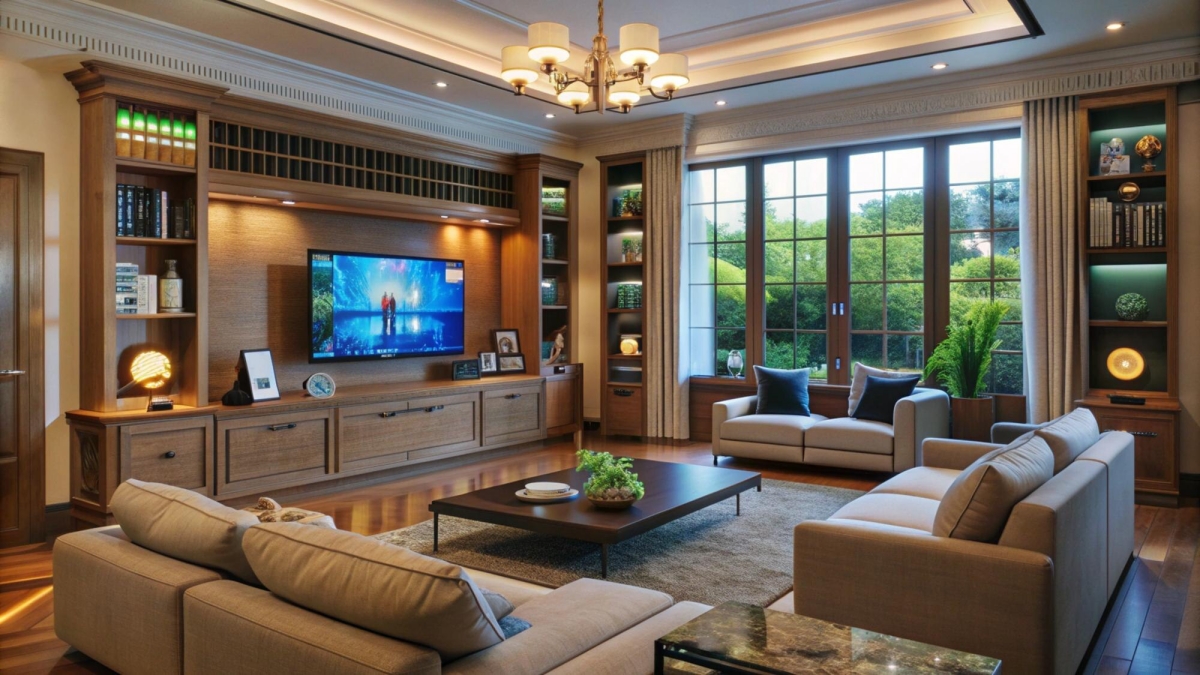
One of the most influential trends is the rise of smart living environments, where automation enhances daily comfort. Intelligent lighting, climate control, security systems, and integrated entertainment solutions are now seamlessly embedded into villa interiors, allowing homeowners to control their spaces effortlessly. Skyz Hills designs these systems discreetly, ensuring technology enhances the ambiance without compromising elegance.
Another emerging direction is biophilic and wellness-focused design, which emphasizes natural light, indoor greenery, organic materials, and improved air quality. Modern villas increasingly incorporate calming color palettes, natural textures, and open-plan layouts that foster relaxation and well-being—essential elements for luxury living in Dubai’s fast-paced environment.
Sustainability is also becoming a defining factor in future interior design. Eco-friendly materials, energy-efficient systems, and responsible sourcing are no longer optional but essential components of high-end interiors. Skyz Hills embraces these principles by combining sustainable practices with premium finishes, ensuring that environmental responsibility complements luxury rather than limiting it.
Customization remains a core innovation trend, with homeowners demanding interiors that reflect their individuality. From bespoke furniture and artistic installations to unique spatial layouts, Skyz Hills delivers highly personalized villa interiors that are both future-ready and timeless.
Through continuous innovation, advanced technology integration, and a commitment to excellence, Skyz Hills is redefining the future of modern villa interior design in Dubai—creating homes that are intelligent, sustainable, and designed to evolve with their owners.